太陽光パネルの設置
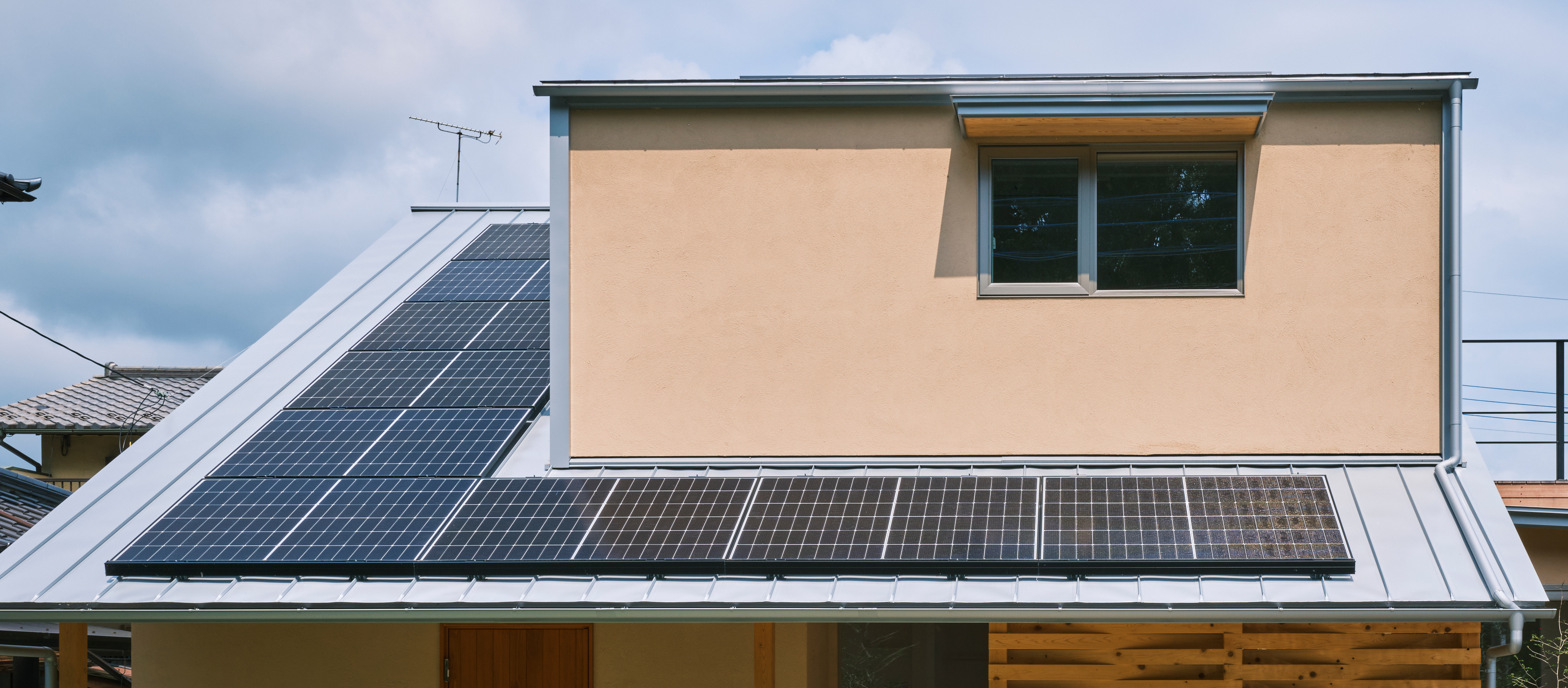
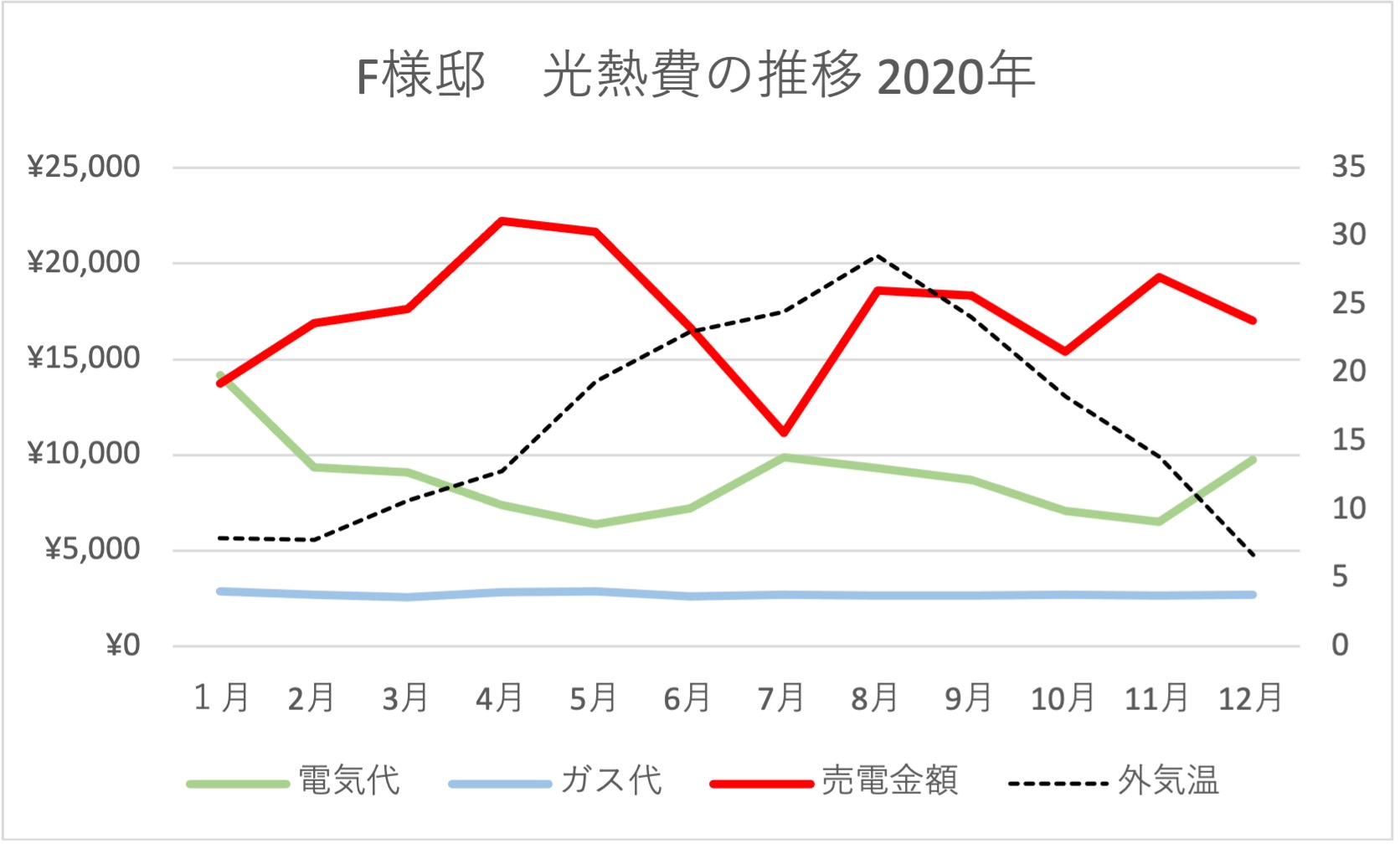
毎年、売電価格の値段設定が数円づづ低くなっていますが、同時に太陽光パネルの設備機器の値段が非常に安価なものになっております。7、8年で元が取れる収支が見込めます。毎月の収支も毎月3000円の投資と考えて、それを上回る収入を10年間は見込めることと、将来EV車に乗るイメージをされているならば、なおさらメリットは絶大になります。
エネルギーの使い方の効率をよく考え整理すると、必然的に答えは導かれます。
Every year, the price at which electricity is sold back to the grid decreases by a few yen, but
at the same time, the cost of solar panel equipment has become very cheap. You can expect to
recoup your investment in 7 or 8 years. If you consider the monthly investment to be 3,000 yen,
you can expect to earn more than that for 10 years, and if you envision owning an EV in the
future, the benefits become even greater. If you carefully consider and organize how you use
energy efficiently, the answer will inevitably follow.
耐震設計
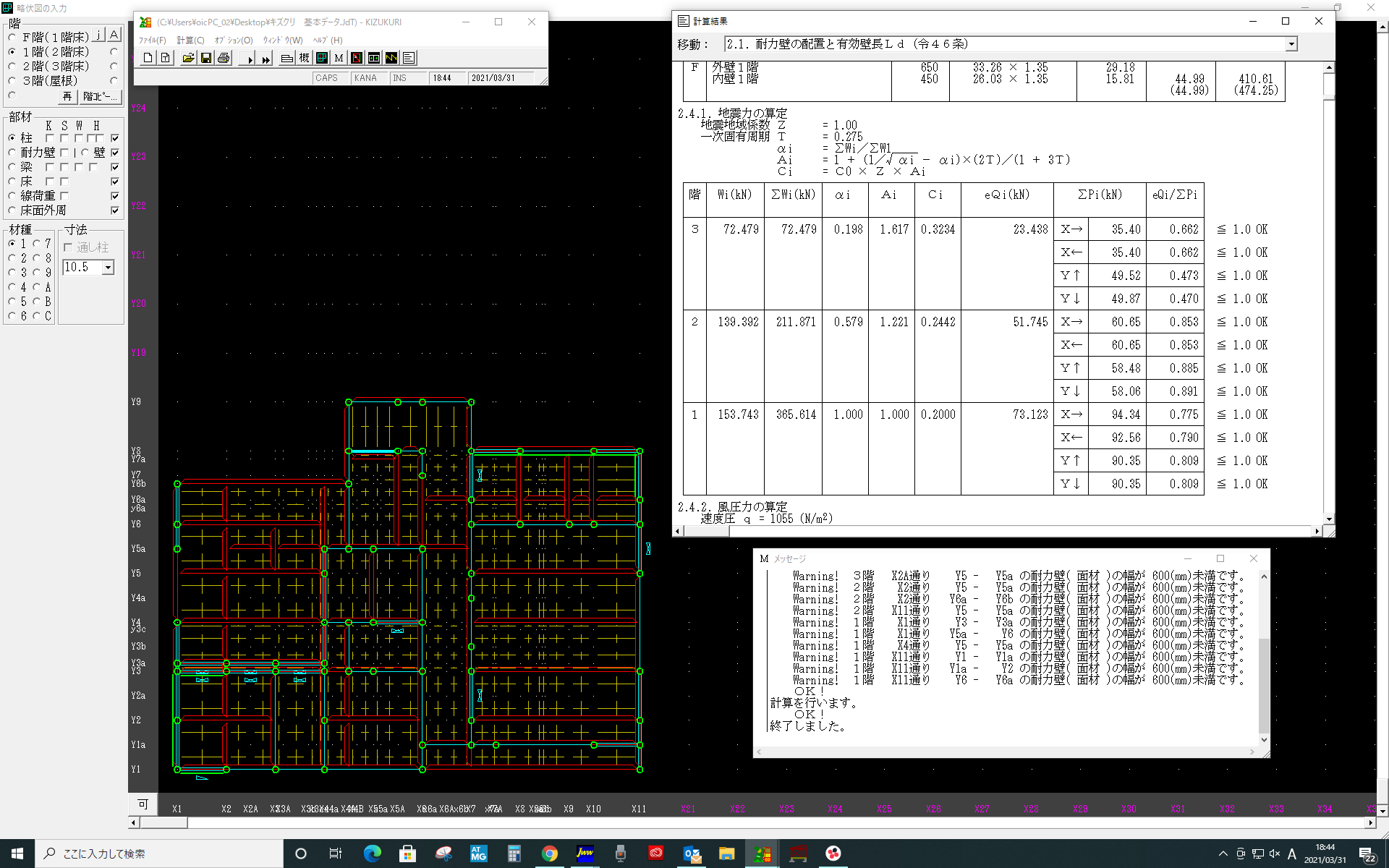
この30年間であった各地での大地震は誰も無視はできません。2階建て木造住宅であっても、過去主流であります建築基準法に定められている壁量簡易計算で導かずに、一つ一つの部材から許容応力度計算して耐震設計をしてまいります。経済的に無駄のない構造躯体を考え、且つ近年の大地震に備えての耐震等級のありかたをお話させていただきます。
また地盤の保証制度も採用してまいります。
No one can ignore the major earthquakes that have occurred in various regions over the past 30
years. Even for two-story wooden houses, we will not rely on the simplified wall quantity
calculations stipulated in the Building Standards Act, which were prevalent in the past, but
will instead perform seismic design by calculating the allowable stress for each individual
member. We will discuss how to design an economically efficient structural frame while also
considering the seismic resistance rating in preparation for recent major earthquakes. We will
also adopt a ground guarantee system.
ダブル断熱の家
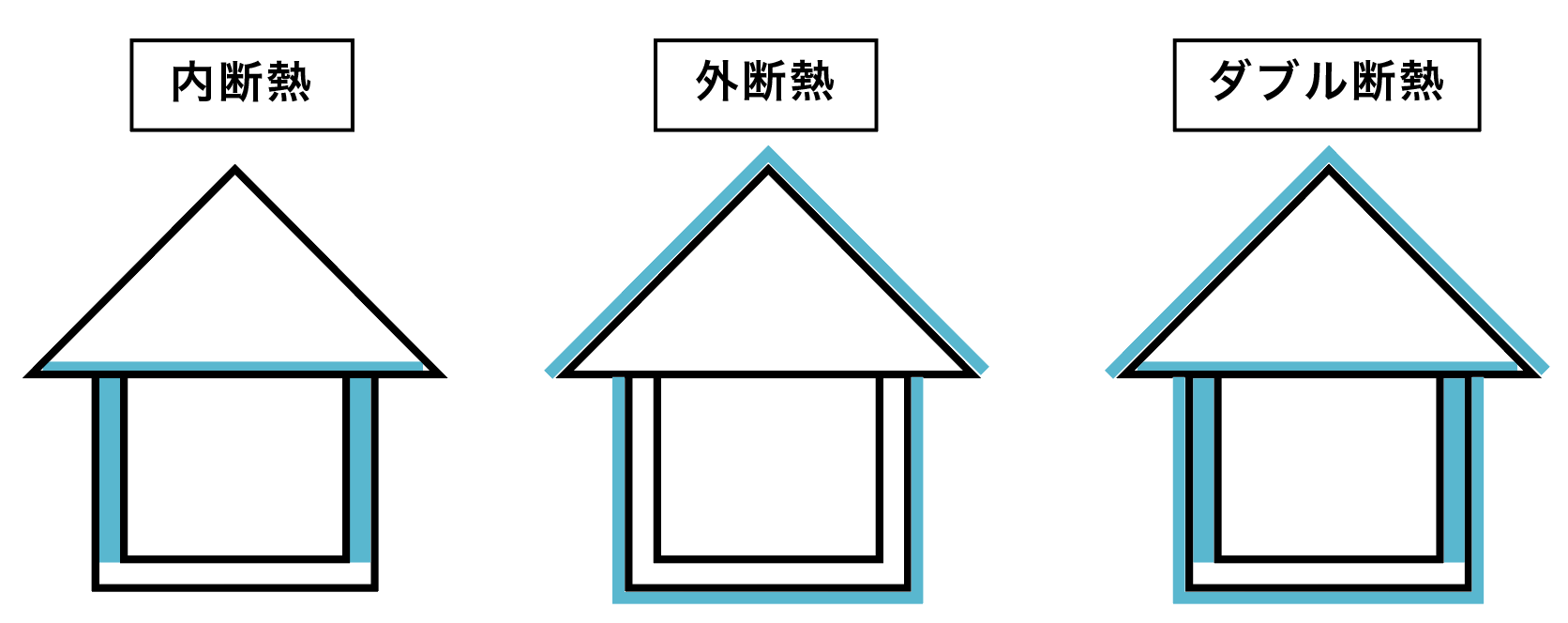
高性能サッシと屋根断熱、基礎断熱に加え、木造在来軸組工法の柱間には断熱材(充填断熱)を充填し、外壁を断熱素材(付加断熱)として、断熱材の厚みを増すことで、断熱性能をより高めます。建てられる地域に合わせ外皮平均熱貫流率(Ua値)を計算して、気密試験も2回行います。そのスペックから光熱費のシュミレーションを行います。毎月の家計や住宅ローンの負担の話も設計段階で見据えていきます。太陽光発電システムとの組み合わせでは、「ゼロエネ住宅」を上回る、「創エネ住宅」(働く家)としても計画可能です。そして断熱強化で居心地の良い家とし、長寿・健康増進が最大の目的であります。
In addition to high-performance sashes, roof insulation, and foundation insulation, we further
enhance insulation performance by filling the spaces between the columns in traditional wooden
frame construction with insulation material (cavity insulation) and increasing the thickness of
the insulation material by using insulating material (additional insulation) in the exterior
walls. We calculate the average heat transfer coefficient (Ua value) of the building envelope
according to the region where it will be built and conduct two airtightness tests. We then
simulate energy costs based on these specifications. We also take into account monthly household
expenses and mortgage burdens during the design phase. When combined with a solar power
generation system, it is possible to plan a "energy-generating home" (a home for working) that
surpasses a "zero-energy home." Our ultimate goal is to create a comfortable home through
enhanced insulation, promoting longevity and health.
ZEH+(ゼッチプラス)
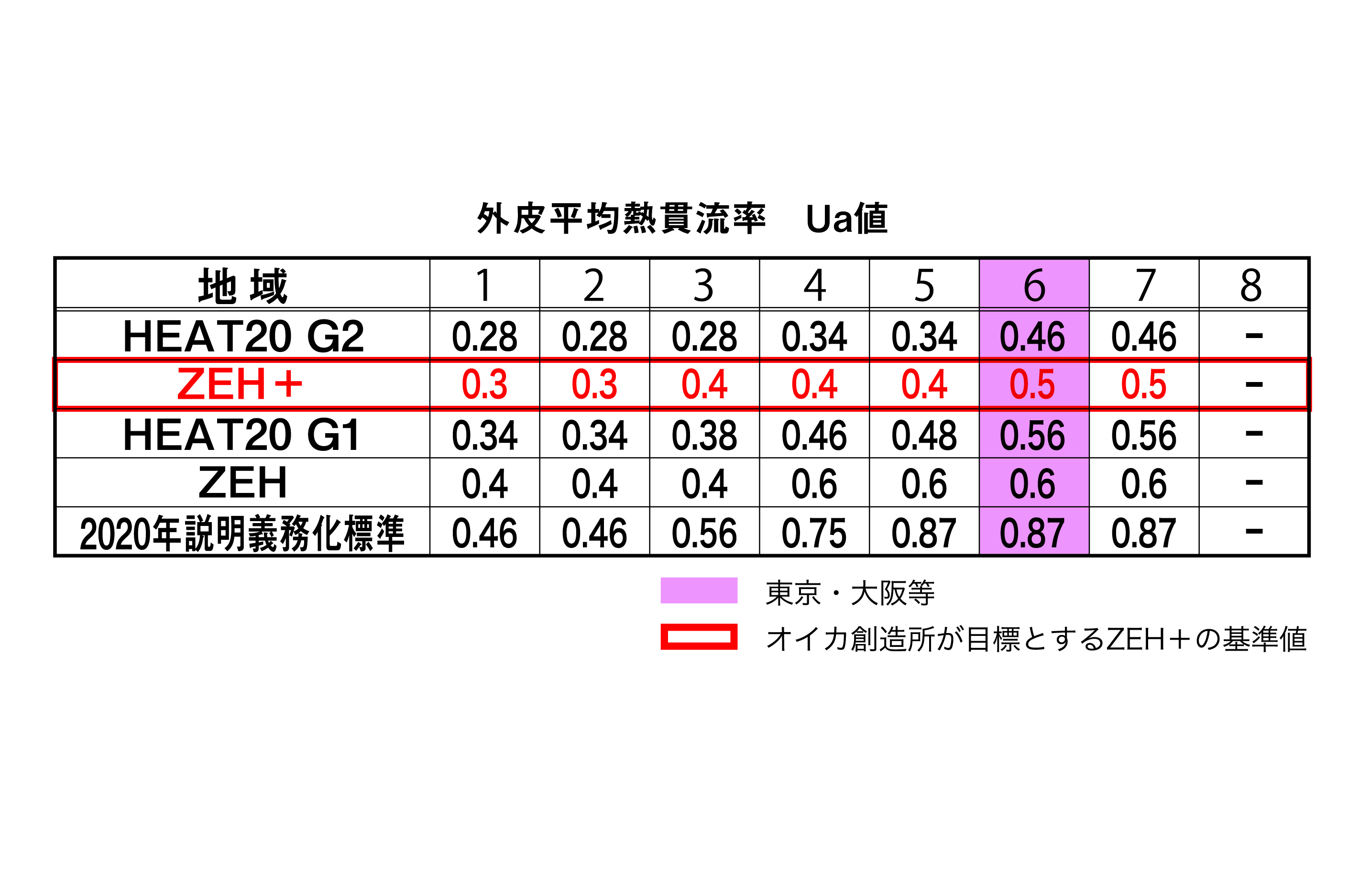
ネット・ゼロ・エネルギー・ハウス(ZEH)と呼ばれる住宅が今業界では良く耳にしますが、そんなZEH基準を更に超える家づくりがZEH+です。 ZEHには今現在グレードが2つ存在し、グレード1
ZEHとグレード2 ZEH+です。今後、更にグレードが増えていくことを考慮してZEH<ZEH+の性能順序となっています。 住宅の外皮性能を示す値Ua値によって性能は決まります。
※Ua値とは…家の中からどれだけ熱エネルギーが外部へ逃げていくのかを示す値のこと。
While the term "Net Zero Energy House (ZEH)" is frequently heard in the industry these days,
ZEH+ goes even further, exceeding the ZEH standard. Currently, there are two grades of ZEH:
Grade 1 ZEH and Grade 2 ZEH+. Considering that more grades will likely be added in the future,
the performance order is ZEH < ZEH+. The performance is determined by the Ua value, which
indicates the performance of the building envelope. *The Ua value is a value that indicates
how much thermal energy escapes from inside the house to the outside.
気密試験
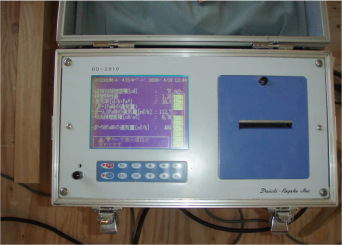
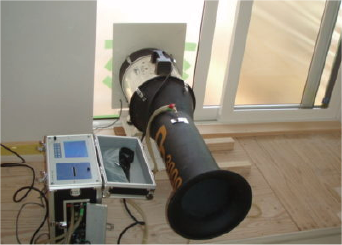
気密工事終了時と工事完成時に2回検査をいたします。 計算上、断熱性能は高いのに寒い。という声があるのは、気密が関係しているからです。
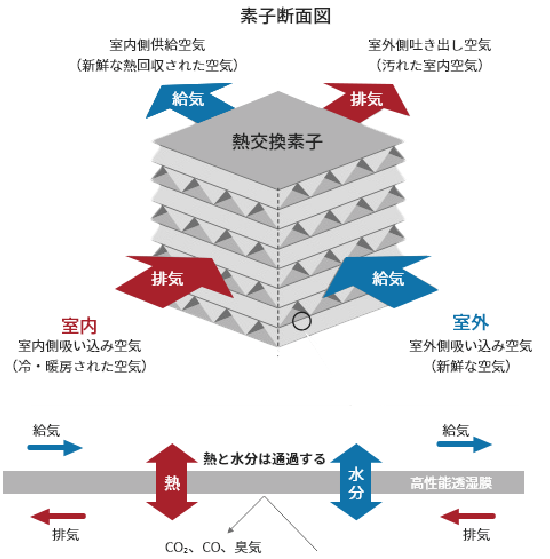
一般的に第一種換気システムは、換気によるエネルギーロスを60%~70%防ぐと言われていますが、気密が取れていないと、換気システムの能力通りにエネルギーロスを防ぐことが出来ません。このため、第一種換気の場合、C値は、0.5㎠/㎡~1.0㎠/㎡以下を目標としております。
確かに、せっかく高性能な断熱材や換気システムを使っても、隙間が空いていたら寒いですし、省エネ効果もなくなってしまいます。
さらに、隙間の箇所は、外気の影響を受けやすいので、結露を起こす原因にもなります。このように、快適性・省エネ性・耐久性を良くするために気密性能は、重要と考えております。
We conduct inspections twice: once when the airtightness work is completed and again when the
construction is finished. Some people say that their homes are cold despite having high insulation
performance according to calculations, and this is because of airtightness. Generally, Type 1
ventilation systems are said to prevent 60% to 70% of energy loss due to ventilation, but if
airtightness is not achieved, the ventilation system will not be able to prevent energy loss to its
full potential. For this reason, in the case of Type 1 ventilation, we aim for a C-value of 0.5
cm²/m² to 1.0 cm²/m² or less. Indeed, even if you use high-performance insulation materials and
ventilation systems, if there are gaps, it will be cold and the energy-saving effect will be lost.
Furthermore, gaps are more susceptible to the effects of outside air, which can cause condensation.
Thus, we believe that airtightness is important for improving comfort, energy efficiency, and
durability.