私たちの経済活動(主に石油・石炭・ガスの燃焼)から排出される二酸化炭素は地球温暖化問題を引き起こし、取り返しのつかない多くのリスクが科学者により指摘されています。
そのために世界全ての国々は昨年末に、世界平均気温の上昇を産業革命頃から2℃以内に抑えることを目標とし今世紀後半にゼロ炭素社会を目指すパリ協定を採択しました。(約100年で既に約1℃上昇済み)
平均気温の上昇は累積の二酸化炭素排出総量で規定され、3兆トンが上限と試算されていて、既に2兆トンを排出済みであることから人類に残された排出量の余裕はあと1兆トンしかないとされています。
ここ数年、世界は毎年約300億トンの二酸化炭素を経済活動により排出していますので、このままだと300億トン×約30年(2050年)≒1兆トンとなり上限に達してしまいます。
過去の延長線上の高断熱化や省エネ化では間に合わず、ゼロエネルギー化、ゼロ炭素化を不連続な高い目標を掲げて全力で達成する必要があるということです。
子どもたちの世代に課題を先送りするようでは解決そのものが手遅れになると言われています。
世界の国々は長期的に見るとやはりゼロエネルギーの建築が目標とされていて2050年には新築は勿論のこと既存建築含めた全体でカーボンニュートラルが目標の国が多いようです。
私たちの世代の未来責任を果たし、2050年を迎えたいものです。
The carbon dioxide emitted from our economic activities (mainly the combustion of oil, coal, and
gas) is causing global warming, and scientists have pointed out that this poses many irreversible
risks. For this reason, at the end of last year, all countries around the world adopted the Paris
Agreement, which aims to limit the rise in the global average temperature to within 2°C since the
Industrial Revolution and to create a zero-carbon society in the second half of this century. (The
temperature has already risen by about 1°C in about 100 years.) The rise in average temperature is
determined by the total cumulative amount of carbon dioxide emissions, and it is estimated that the
upper limit is 3 trillion tons. Since 2 trillion tons have already been emitted, it is said that
humanity has only 1 trillion tons of emission margin left. In recent years, the world has been
emitting about 30 billion tons of carbon dioxide annually through economic activities, so if this
continues, 30 billion tons x approximately 30 years (2050) ≈ 1 trillion tons, which will reach the
upper limit. High insulation and energy conservation measures that are an extension of the past will
not be enough, and it is necessary to set discontinuously high targets for zero energy and zero
carbon and make every effort to achieve them. It is said that if we pass on these challenges to our
children's generation, it will be too late to solve them. In the long term, many countries around
the world are aiming for zero-energy buildings, and by 2050, many countries are aiming for carbon
neutrality not only for new construction but also for existing buildings as a whole. We must fulfill
our responsibility to the future as our generation and be ready to welcome 2050.
2050年を見据えた家の環境づくり
壊すのではなく、リノベーション。
その場の記憶や思いを継承しながら、次世代への新しい価値観を創り出します。
東京都心、地方都市も含めて、今あるテナントビル(マンション)は、非常に経営困難な状況にある。
理由は、人口減少、ならびに世界的な不況による企業の縮小・統合化。どのまちにいっても、空きテナントが目立つほど存在するかと思えば、一方では、常に空室待ちとなるような人気のビルも存在するなど、二極化が顕著である。この差はいったい何なのか?どのようなビルが、今必要とされているのか?
オイカネットでは、ご当地のよさを生かし、まちのシンボルとなりうる、求心力を持ち続ける建物のデザインと技術を創造していきます。
Renovation, not demolition.
We create new values for the next generation while inheriting the memories and feelings of the
place.
In Tokyo's city center and regional cities alike, existing tenant buildings (apartments) are in
a very difficult financial situation.
The reasons are population decline and corporate downsizing and consolidation due to the global
recession. While vacant tenant spaces are noticeable in many areas, there are also popular
buildings with constant waiting lists, highlighting a clear polarization. What is the reason for
this difference? What kind of buildings are needed now?
At Oicanet, we create building designs and technologies that leverage the unique characteristics
of each location, becoming symbols of the city and maintaining a strong sense of community.
海の見えるビルヂングプロジェクト
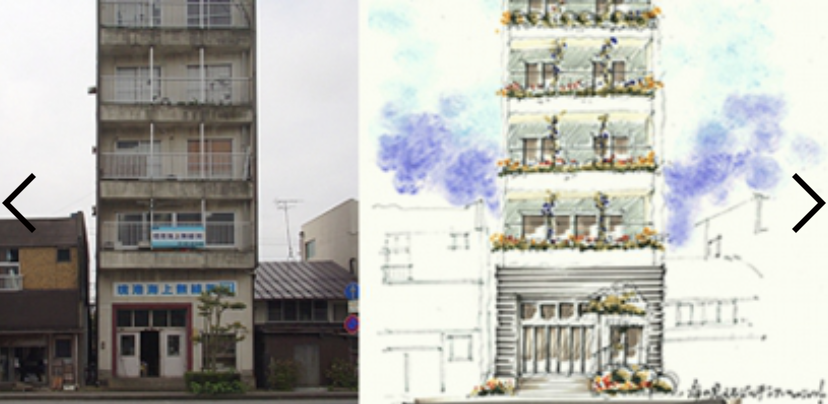
周辺には高い建物がないため、ランドマークの役割を果たしてきた。
塩害に強いとされる「焼き杉」の板塀でファサードを覆うことにより、
経年変化後も、それがかえって見ごたえのあるデザインとなる。
バルコニーには、新たに色鮮やかなグリーンや花々によって緑化を
色鮮やかなグリーンや花々によって緑化を施し、中に暮らすものは、
自然豊かな環境から海を眺めるような風景を楽しめる。
Because there are no tall buildings in the surrounding area, it has served as a landmark.
By covering the facade with a fence made of "yakisugi" (charred cedar), which is said to be
resistant to salt damage,
the design becomes even more impressive as it ages.
The balconies have been newly greened with colorful plants and flowers,
allowing those who live inside to enjoy a view of the sea from a rich natural environment.